What can problematic and harmful sexual behaviour look like online?
Children and young people’s lives are increasingly lived online as well as offline.
Technology and online interactions can shape how problematic and harmful sexual behaviours develop, occur and escalate.
Recognising when behaviours, interactions or experiences online have become unsafe is an important step in preventing harm and responding early.
Online harm involving sexual behaviours can include:
image-based abuse, like sharing sexual images without consent or pressuring someone to send them
children and young people creating and sharing sexual images of themselves
unwanted sexual messages or requests
using social media, games and apps in ways that create pressure, coercion or harm.
How this collection helps
These resources will help you spot the signs of when behaviours become unsafe.
You'll find information on how sexual development and interactions play out online, what’s appropriate at different ages, information for specific communities, and when to seek extra support.
If you're less familiar with the online platforms, apps or games children and young people use, these resources will help build your understanding.
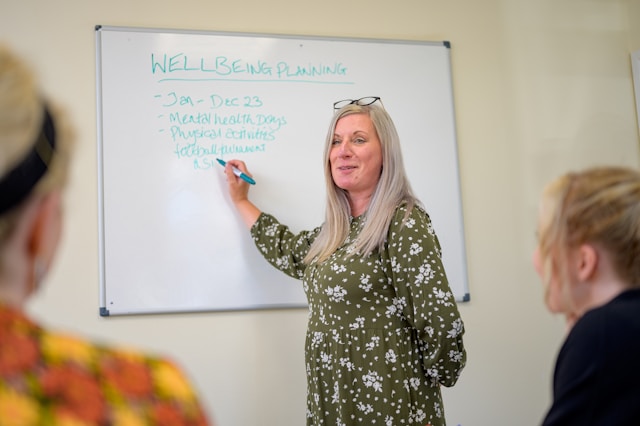
Resources for people working with children and young people
Guides, fact sheets and tools for anyone working with children and young people.
Browse resources by topic

Resources for sharing with children and young people
Fact sheets, games, videos and more for sharing with children and young people to help them spot what’s okay and what’s not when online.
Browse resources by topic
Tailored for specific communities
Resources developed for and with diverse communities to support culturally safe, inclusive and accessible approaches.
Browse resources by topic
More recognition resources
Your input matters
Know of something that should be included? Let us know
Tell us what you think, or suggest a resource, service or training opportunity.
Not a practitioner?
Parents and carers
If you’re a parent or carer seeking information or worrying about a behaviour, you're not alone. Find resources to help you understand child sexual development, support safety, and respond to concerns about sexual behaviour.
Children and young people
It’s normal to have questions about your body, feelings, sex and relationships. If you’re a young person looking for information – head here. We’ve got information just for you.