What happens online matters
Many children and young people are growing up online with their social, emotional and sexual development happening online as well as offline.
Digital spaces and tools are where children and young people connect with others, build relationships, experience conflict or belonging, explore and build identity, learn, communicate, seek information and express themselves.
Online experiences are not separate from the ‘real world’
What children and young people see, consume, experience, share and engage with online can influence their:
attitudes towards relationships
understanding of boundaries and consent
views about gender, sex and respect
beliefs about what behaviours are acceptable and what’s not – both online and offline.
Make tech a positive part of children and young people’s development
Building online safety skills can help prevent harm, but online safety is more than avoiding risks or limiting access.
The broader goal is to help children and young people use technology in ways that keep them safe and support healthy development, including:
developing digital literacy
supporting safe technology use
encouraging respectful online interactions
recognising harmful attitudes and content, including misogyny.
How this collection helps
In this collection of resources, you’ll find guidance and activities to help build digital literacy, set boundaries around technology use and create opportunities for open and ongoing conversations about online safety.

Resources for sharing with young people
Resources designed to help children and young people build digital literacy, stay safe online, and engage respectfully in digital spaces.
Browse resources by topic
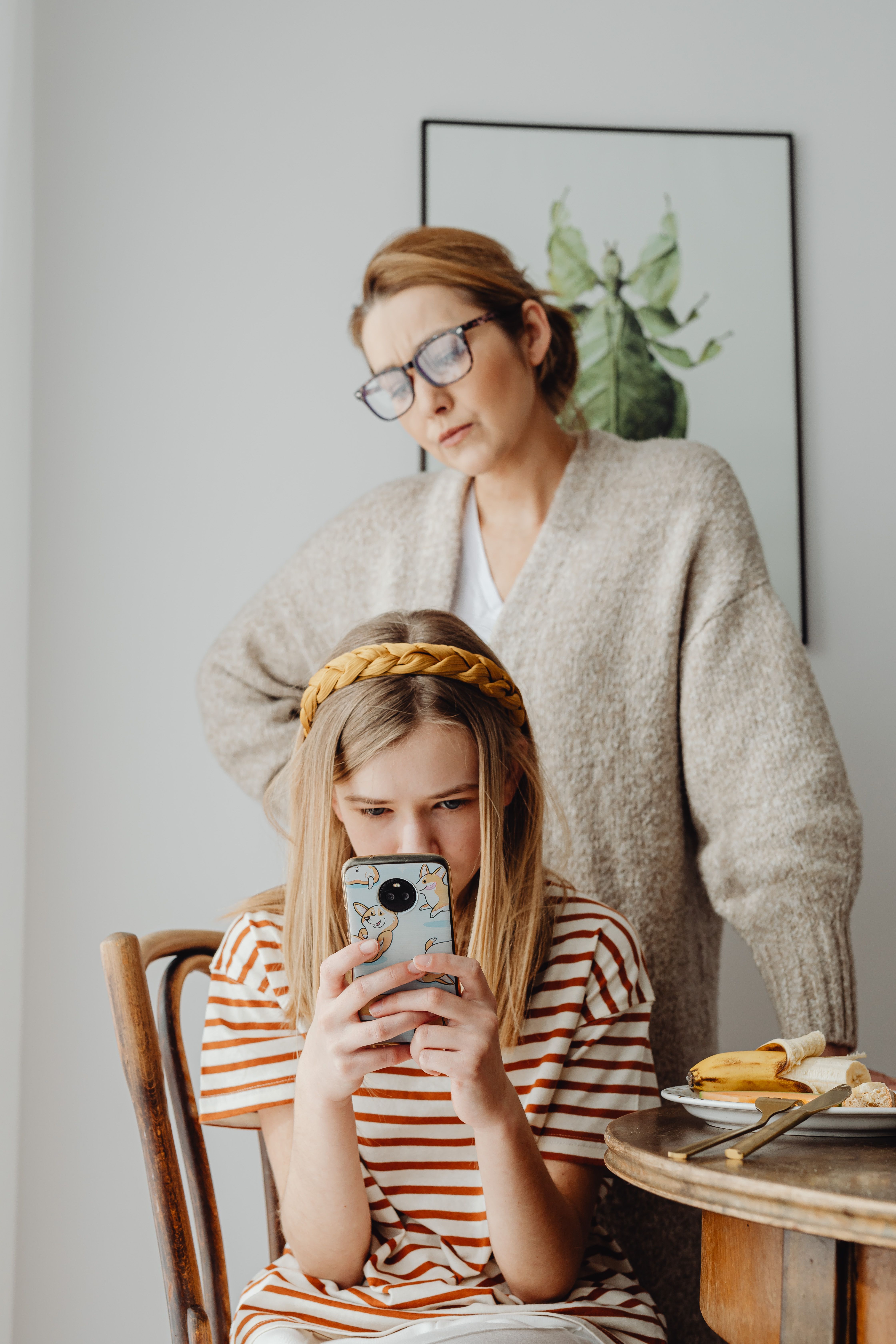
Resources for sharing with parents and carers
Resources that support parents and carers to guide safe technology use and encourage healthy online behaviours.
Browse resources by topic
Tailored for specific communities
Inclusive and culturally responsive resources developed for and with diverse communities to support online safety and wellbeing.
Browse resources by topic
More prevention resources
Your input matters
Know of something that should be included? Let us know
Tell us what you think, or suggest a resource, service or training opportunity.
Not a practitioner?
Parents and carers
If you’re a parent or carer seeking information or worrying about a behaviour, you're not alone. Find resources to help you understand child sexual development, support safety, and respond to concerns about sexual behaviour.
Children and young people
It’s normal to have questions about your body, feelings, sex and relationships. If you’re a young person looking for information – head here. We’ve got information just for you.