Let’s talk about it: safe and unsafe sexual behaviour
Learn about sexual behaviour, find trusted information, and get links to help for yourself or a friend. Developed with young people, for young people.
Start with the basics
Being interested in bodies, sex and relationships is one part of growing up
Most young people will have questions, and it’s OK to ask safe adults around you to help you understand. Some of your questions might be covered on this page or in the resources linked throughout. If you have more, ask a safe adult or call or text one of the confidential services we've linked to.
What is sexual behaviour?
Sexual behaviour means things people think, say or do that relate to sex or sexual feelings.
It can include:
Thoughts and feelings
Saying sexual things
Watching pornography
Kissing, touching and masturbation
Making or sharing sexual images or messages
Other sexual activities, in person or online
It can be limited to your own body, like masturbation, sexual thoughts or feelings, or images you see. Or it can relate to sexual behaviour with or towards others.

What makes sexual behaviour safe or unsafe?
When you're still learning about your body and relationships, it's important to have the facts about what safe and unsafe sexual behaviour looks like.
Sometimes behaviour, either your own or someone else’s, might feel confusing or make you feel uncomfortable. These can be signs behaviour is moving towards unsafe.
It’s important in these situations to speak to a trusted adult and OK to find information that can help you better make sense of your thoughts and experiences.
It's generally safe when
Everyone is up for it
Everyone involved consents freely.
Everyone knows what they are consenting to and wants to do it.
No one is pressured, forced or tricked.
It feels equal
It’s between people who are around the same age, developmental stage and ability.
Everyone feels equally able to say no or stop without being afraid something bad might happen to them.
It feels light or fun, not controlling or scary
Everyone is feeling good about it.
Your body and mind feels safe.
You feel in control and present.
The easiest way to know if someone is feeling good is to ask
People respond differently to the same situation, so it’s important to check in rather than assume how people are feeling.
Some questions you can ask are:
Is there anything you don’t want to do?
Are you happy with this?
Are you comfortable?
Do you want to stop?
Do you want to go further?
Body language is just as important. Freezing, flinching and pushing away are all examples of how we show we’re not feeling safe.
It could be moving towards unsafe if
It's not appropriate
For someone’s age, understanding or the situation.
It causes big feelings
Like shame, embarrassment or anger, or making someone feel uncomfortable, confused or upset.
It crosses boundaries
It crosses someone’s boundaries or gets in the way of everyday life, such as school, sleep, friendships or other activities.
You’re still growing and learning, and behaviour can change
If your own or someone else’s behaviour feels confusing or uncomfortable, talk to someone who can help you make sense of it. If you don’t have a trusted adult to talk to, try What’s OK?, which supports young people worried about their sexual behaviour.
Unsafe experiences can shape behaviour
Sometimes a young person’s behaviour is shaped by unsafe experiences, like seeing sexual aggression or violence in porn, copying things they’ve seen or experienced, or using sexual behaviour to cope with stress or big feelings.
If any of this sounds familiar, you can learn more at What to do if your growing up in unsafe situations is influencing your behaviour?
Or click the button below to find more confidential services.
It could be unsafe when
Unsafe sexual behaviour is sexual behaviour that isn’t safe for a young person’s age, or that they don’t fully understand. It includes behaviour that harms the young person or someone else.
Unsafe sexual behaviour can cause serious harm. If a young person is using or experiencing it, help is available to support change and healing.
Examples of harmful sexual behaviour
Pressuring, frightening or forcing someone into sexual conversations or activities
Using power to get something sexual – like offering a ride, a job, gifts, alcohol or other drugs, or threatening to break up
Sexually threatening or intimidating someone
Repeatedly harassing, monitoring or stalking someone in a sexual or controlling way
Having, saving, viewing or sharing sexual images of anyone under 18
Sharing sexual images or videos of someone without their consent
Touching someone in a sexual way without their consent
What’s sometimes called 'rough sex', including choking or strangling – there’s no safe way to choke someone, even if they agree
Touching a child, or someone much younger than you, in a sexual way
Sexual assault
What if I don't have a safe adult to talk to right now?
Some young people don’t have a safe adult to talk to about sex and relationships. Or to help them understand what's safe for themselves and others. Others might not feel safe or ready to talk to an adult in their life yet.
If this is you, you can get help from:
Kids Helpline Webchat Chat online with a counsellor about anything that’s worrying you.
What's OK? Australia confidential and anonymous support for young people worried about their sexual behaviour.
Or view more services using the button below.
What if I’m unsure if what happened was harmful?
It’s OK to feel unsure about something that happened. You don’t need to know whether it was abuse or harm, have all the details, or be sure how you feel before asking for help.
If something made you uncomfortable, confused or unsafe, you deserve to be listened to.
You might also be worried that something you’ve done could harm yourself or others. Asking for help is an important step towards keeping everyone safe.
You can talk to an adult you trust, a counsellor or Kids Helpline (1800 55 1800). Or, use the button below to find more services.

What is sexual consent?
Sexual consent means a person freely agrees to sexual activity. This means:
they understand what it is they are agreeing to
they want to do it or try it
no one will be punished, pressured or hurt if they say no.
Consent isn’t a one-off. It must be ongoing for all sexual activity. Anyone can change their mind at any point, and consenting to one sexual activity doesn’t equal consent for something else.
Even if someone has had sex or sexual contact with someone before, or they’re in a relationship, consent still needs to be there every time. Sexual behaviour without consent is assault.
Consent and the law
There are also laws about sexual consent in Australia. To ask for, give or receive consent, you and the other person must be:
at least 16 years old (17 if you are in Tasmania or South Australia)
fully aware of what is happening – no one is asleep, drowsy, or under the influence of alcohol or other drugs
able to understand what they are consenting to do in that very moment
able to freely change their mind about what they want to engage in.
The rules can differ between states and territories, including the age of consent, legal age gaps and situations involving people in positions of authority or trust. You can find information for your state or territory from Youth Law Australia.
How do I check in with myself and others?
Learning to recognise your own feelings and notice how other people are feeling is one way to help keep yourself and others safe.
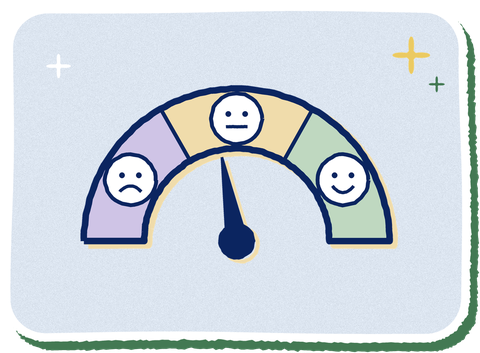
Pre-teens
Ages 10 to 13
At this age, you might be starting to think about crushes, bodies, and relationships, like boyfriends and girlfriends. It's OK to be curious and to have questions.
Do I want this? Does the other person want this too?
Do I understand what is happening?
Can I say no or stop if I want to?
How would I let someone know I want something to stop?
Am I respecting other people’s privacy and what they want?
How does this make me feel? Curious or excited? Or worried, upset, angry or confused?
Do I know which trusted adults I could talk to?
These things can be unsafe even if the other person is a child or young person, like a friend, classmate, brother or sister.
You see something sexual, or someone shows you something sexual, like a picture of genitals or someone naked.
Someone you don’t know in person starts talking to you online.
Someone makes you feel uncomfortable, worried or scared, even if you’re not sure why.
Someone touches you and doesn’t stop when asked.
You feel confused, worried or upset about something that happened to you or something you did.
You feel you have to keep something secret, including your own thoughts or behaviour – even if someone has threatened to hurt you, or someone or something you care about, if you tell.
You feel angry or frustrated when someone says no or doesn’t want to do what you want.
Something doesn’t feel right, or you’re having nightmares or scary thoughts, even if you’re not sure why.
If any of this is happening, talk to a trusted adult or contact one of the services on our Get help page.
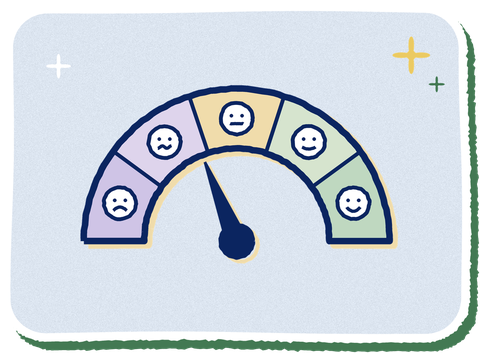
Teens
Ages 14 to 17
You might be exploring crushes, dating, masturbation, and sexual activity with others including chatting, kissing and sex.
Do I want this? Do they want this too?
Can everyone say no, stop or change their mind and have that respected?
Do I feel confident about what consent means, and what the law says about age, age gaps and who can consent?
Do I feel comfortable saying what I do and don’t want – even if I’m still figuring it out?
How can I tell if someone wants this and feels ready and comfortable?
Am I putting pressure on anyone, or being pressured myself?
How will I respond if someone doesn’t want to do something?
Is this making me feel good, and have I checked how the other person feels?
Are trends or expectations about sex, like ‘rough sex’ or choking, influencing what I do, even if they might be unsafe or not enjoyable for me or the other person?
These things can be unsafe even if the other person is a young person, like a friend, partner or someone you’re dating.
Someone pressures you, makes you feel guilty or frightens you into saying yes.
Someone ignores your boundaries or doesn’t listen to you.
A sexual experience leaves you feeling upset, unsafe, angry or confused.
You feel angry or frustrated when someone doesn’t want to do something.
Porn, sexual content or sexual activity starts affecting your sleep, school, relationships or everyday life.
Someone shares sexual images of you or another young person, especially without permission.
Something doesn’t feel right, or you’re worried about what might happen if you tell someone.
You notice changes in yourself, like having nightmares, not wanting to see friends, changing how you eat or dress, or using alcohol, other drugs or sex to change how you feel.
If any of this is happening, talk to a trusted adult or contact one of the services on our Get help page.
Something doesn't feel right
What if you think you’ve hurt or frightened someone?
If you notice any of the harmful sexual behaviours on this page in yourself, or you're worried about someone else's behaviour, there are adults who can help keep you and others safe.
If you think something you've done has hurt or scared someone, or you've had sexual thoughts about children younger than you, it's important to get help as soon as possible.
With the right support, many young people who have sexually harmed others make positive changes and go on to have healthy, respectful relationships.
Access information and support anonymously
If you're worried about your sexual behaviour, you can start with What's Okay? Australia. All their services are anonymous and confidential.
What if you or someone else has been harmed?
If you've been sexually harmed by anyone, including another child or young person, it's never your fault and help is available.
It's important to talk to a trusted adult, like a parent, carer, teacher, family friend or any other adult you trust. It doesn't matter when the harm happened. There's no time limit on getting help.
Find confidential support
If you've been sexually harmed, or you want help supporting a friend who has been, you can call 1800 FULL STOP (1800 385 578). You can also find more support options on our Get help page.
Got questions?
Explore more resources across a range of topics. Or see common questions from young people further below.
Common questions
Your safety, consent and relationships
You always have the right to say no to sexual activity, at any time, even if you’ve said yes before. A partner might feel disappointed, but they should always respect your decision.
If someone uses anger, guilt, threats or pressure to make you do something sexual you don’t want to do, this may be sexual coercion. You deserve to feel safe and respected in a relationship.
If you’re worried about how your partner might react, you can talk to a trusted adult or call 1800 FULL STOP (1800 385 578) for confidential support.
Everyone develops their feelings about sex and relationships at their own pace. You might feel curious about sex, experience sexual attraction, or not feel interested in sexual activity at all.
Seeing friends talk about sex or watching it in films and sexualised content on social media can make it seem like everyone is doing it. But there’s no deadline for becoming sexually active, and you never have to do anything just because other people are.
The Low Down by Family Planning NSW is a useful place to explore questions about relationships, sex and whether you feel ready.
Porn is made to generate money for the websites that host it and the people who create it. Because it’s made to capture people’s attention, it often depicts sex that breaks taboos or is aggressive or violent and doesn’t necessarily show what sex, consent or relationships are like in real life.People in porn are performing, and what you see may not reflect what they enjoy, want or experience off camera.
Porn can sometimes create unrealistic expectations about bodies, sexual performance and what people should want to do. It may also show risky activities, such as choking, without accurately showing the risks involved.
Watching porn doesn’t mean you’ll automatically have unrealistic expectations, but it’s worth remembering that real-life sex should involve communication, mutual respect and freely given consent.
For information about porn, including the effects it can have on young people’s relationships and sex life, head to Kids Helpline – Let’s get real about porn.
Stealthing is when someone removes a condom during sex without the other person’s consent. Deliberately damaging a condom or interfering with contraception can also be forms of reproductive coercion.
Pressuring someone not to use condoms or other contraception, interfering with their birth control, or trying to control whether they become pregnant is not OK. Everyone has the right to make informed decisions about their sexual health and reproduction.
If this has happened to you, it’s not your fault. You can contact Full Stop Australia on 1800 FULL STOP for sexual violence counselling. You can also speak with a sexual health service about pregnancy or STI concerns. Find sexual health services and online resources via Raising Children Network.
You can get help with contraception, STI testing, pregnancy and other sexual health questions from:
a GP (doctor)
a sexual health or family planning clinic
headspace
your school nurse or counsellor.
According to Youth Law Australia, there are no laws that stop you seeing a doctor without your parents or carers. If you want to go on your own, it can help to call the clinic first, tell them you’re coming alone and ask for your appointment to be kept private.
There’s also no set age from which you can agree to your own medical treatment. A doctor can treat you if they’re satisfied that you understand the treatment and its risks. You can get your own Medicare card from age 15, and many services are free or bulk billed for young people.
Read more about your rights at the doctor from Youth Law Australia. Laws can differ between states and territories, so make sure you check the information for where you live.
Doctors and nurses must usually keep what you tell them private. They may need to share information if they think you or someone else is at risk of harm. If this happens, they should explain why and what will happen next. You have a right to have your say about how information is shared and what would help you feel safe.
Contraception: a doctor or clinic can help you choose an option that suits you, such as condoms, the pill, an implant or an IUD.
STIs: many sexually transmitted infections have no symptoms, so regular testing is a good idea if you’re sexually active. Testing is quick and confidential.
Pregnancy: if you’re pregnant or think you might be, a GP or sexual health clinic can talk you through your options. For support during pregnancy and after birth, you can:
call Pregnancy, Birth and Baby on 1800 882 436 to speak with a maternal child health nurse
call PANDA on 1300 726 306 for support with how you’re feeling
contact Brave Foundation, which offers mentoring and support for expecting and parenting young people.
Online
eSafety says that images and videos are usually classed as intimate if they show:
a person nude or partly naked – such as a naked selfie or a topless photo of someone who identifies as female
the private parts of a person’s body – even if they have underwear on, including upskirt shots
a person during a private activity – such as undressing, using the toilet, showering, bathing or engaging in sexual activity
a fake intimate image or video – altered to look like it’s them.
An image or video can also be classed as ‘intimate’ if it shows a person without the religious or cultural clothes or accessories they would normally wear in public (such as a hijab or turban).
You can learn more through eSafety’s resource Someone is threatening to share my nudes.
It’s common to be curious about sharing sexts or nudes, but it can also be confusing. The age of consent is 16 in most states and territories (17 in South Australia and Tasmania). But if you’re under 18, there can be legal risks in making, asking for, having or sharing sexual images of young people – even when everyone agrees.
You never have to send a sext, nude or sexual picture, even to a partner or if you’ve sent pictures before. If someone pressures, threatens or guilt-trips you, that’s not OK. You can tell them you’re not interested, stop replying or ask someone you trust for help.
To learn more about nudes, sexts and staying safe, read ReachOut’s guide to things to think about before sharing nudes or eSafety’s advice about being pressured to send nudes.
Sharing your nude or intimate image without your permission is a serious breach of trust and is illegal. It doesn’t matter if you originally sent the picture willingly or agreed to someone taking it — that doesn’t give them permission to share it and it’s never your fault.
While having your images leaked can be scary, you don’t have to cope with it alone. You can find more information on the steps to take, including reporting to the eSafety Commissioner, through eSafety’s My nudes have been shared.
If you’re under 18 in the images, you can also use Take It Down, which can help remove images online.
Sharing someone’s nude or sexual image without their consent is a breach of trust and is illegal. It can have serious consequences for you and for the person in the image.
If someone sends you an intimate image of another person, don’t forward it or show it to anyone. Delete it. If the person in the image is under 18, having the image is also illegal. You can report it to eSafety.
If you’ve already shared an image, you can still help stop it spreading and limit the harm. Read eSafety’s advice for what to do if you’ve shared someone’s intimate image. If you’re worried about something you’ve done, you can still ask for help.
Worries and disclosure
Telling someone can feel scary, especially if you’re worried they won’t believe you, will blame you or might get someone into trouble. You haven’t done anything wrong by asking for help, and you don’t have to explain everything perfectly.
Try talking to an adult you feel safe with, such as a family member, teacher, school counsellor or youth worker. If you don’t feel comfortable talking to someone you know, you can contact Kids Helpline on 1800 55 1800 for free, confidential support, 24 hours a day.
You deserve to be heard and supported.
A trusted adult should listen, take your concerns seriously and help you work out what support you need. Depending on what’s happened, they may need to involve other people to help keep you or someone else safe.
You can ask what will happen next, who will be told and what information might need to be shared. Adults and services may not be able to keep everything confidential if someone is at risk of harm, but they should explain this as clearly as they can. If adults do have to share what’s happened with others to help keep you safe, you have a right to be heard about how you want this to happen and what you think will help you be safe.
You have the right to be treated with respect, have your views heard and get support. If you’re unsure what to expect, Kids Helpline can help you talk through your options.
Services and police
A service might become involved to help keep you or someone else safe, understand what has happened, or work out what support is needed. This could include a counsellor, school wellbeing team, health professional or child protection service.
It’s OK to ask why they’re involved, what they can help with, what information they need to share and what might happen next. You can ask questions if you don’t understand something or feel worried about what’s happening.
The aim should be to help keep people safe and get the right support. You can visit What’s OK? or contact Kids Helpline if you need someone to talk to. You can also view more services on our Get help page.
Police may become involved if they need to investigate what happened, respond to a safety concern or help protect someone. What happens next depends on the situation.
If police want to speak with you about something you may have done, you can ask for legal advice before answering questions or agreeing to an interview. If you’re under 18, you can contact Youth Law Australia for free legal advice.
If you’re reporting harm, you can ask what will happen next and whether you can have a trusted support person with you. If you’re unsure about your rights, ask for legal advice at Youth Law Australia.
I’m worried about my behaviour
If porn is taking up more time than you want, affecting your relationships, or shaping what you expect from sex, it’s OK to ask for help. You don’t need to feel ashamed or wait until things get worse.
Porn doesn’t always show what real-life sex and relationships look like. Taking a break, noticing how porn affects your feelings and expectations, and talking to someone you trust can help you work out what feels right for you.
Visit What’s OK? Australia for information about sexual thoughts and behaviour, or talk to Kids Helpline on 1800 55 1800 if you want to talk things through.
Experiencing harm can affect how you feel, how you see relationships and how you respond to other people. You might feel confused or worried about your thoughts or behaviour. Having these worries doesn’t mean you’re a bad person, and you deserve support.
What happened to you isn’t your fault. At the same time, if you’re worried you might hurt someone else, there are ways to get help to understand your feelings, make safer choices and prevent harm.
You can visit What’s OK? Australia for anonymous information and support, or contact Kids Helpline on 1800 55 1800.
Links to more services working with victim-survivors and with people worried about their own behaviour can be found on our Get help page.
Supporting friends, family and kin
Let them know you care about them and that they can talk to you without being judged. Listen, believe them, and avoid asking questions that might make them feel blamed. You don’t need to have all the answers or fix everything for them.
You could say, “I’m glad you told me. I’m sorry this happened, and I’m here for you.” Encourage them to talk to a trusted adult or support service, and respect their choices wherever possible. If you think they’re in immediate danger, get help from a safe adult or call 000.
You can also contact Full Stop Australia for free, confidential support for people affected by sexual violence, including friends and supporters.
If a friend or other young person close to you is pressuring someone into sexual activity, ignoring boundaries, sharing intimate images without permission or behaving in ways that make you worried someone could be hurt, it’s OK to take those concerns seriously.
You don’t have to confront your friend or work out how to fix things yourself. Talk to a trusted adult, such as a parent, teacher or school counsellor, who can help keep everyone safe. If someone is in immediate danger, call 000.
You can read What’s OK? Australia’s guide to worrying about a friend’s sexual behaviour. It explains what harmful behaviour can look like, how to raise concerns safely and why getting help is about safety, not simply getting someone into trouble.